 A little room for water

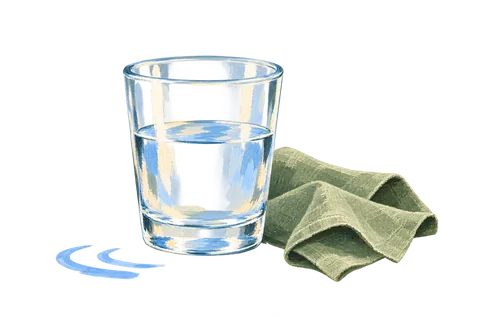
A glass beside breakfast. A bottle ready for a walk. A drink within reach while you read. Hydration can fit into the day you already have, without becoming another score to chase. Start with the moment when you tend to forget, then make that one moment easier.
Let your needs guide the amount
There is no universal two-litre rule that fits every body and every day. The NHS describes six to eight cups or glasses of fluid as a general guide, rather than an individual prescription. Needs can increase in hot weather, during prolonged activity, pregnancy, breastfeeding or illness.
Think about your actual day: a cool morning indoors is different from an afternoon working outside. If a healthcare professional has given you a fluid target or restriction, follow that guidance instead of a general wellbeing article. You do not need to finish a large bottle simply because someone else does.
Place water where your day happens
Choose a cup or refillable bottle you enjoy using and leave it near an existing pause: breakfast, your work break or the moment you come home. The CDC suggests carrying water and serving it with meals. These are simple prompts, not a timetable you must follow perfectly.
Try one change for a few days before adding more. If you keep forgetting a bottle in your bag, put a glass on the table instead. If plain water feels unappealing, try a little lemon or a temperature you prefer. The most useful arrangement is the one you actually notice.
Remember what already contributes
Water is an everyday choice, but hydration does not come only from glasses of plain water. The NHS includes milk and sugar-free drinks, including tea and coffee, in fluid intake. Fruit and vegetables with a high water content also contribute. Choosing water in place of sugary drinks is one practical option.
A balanced meal matters too. NIDDK explains that enough liquid helps dietary fibre work, and that fibre is best increased gradually. Think about a varied plate and a drink together, rather than treating hydration as a separate challenge or a promise to solve digestive symptoms.
Use a gentle daily check-in
Thirst and the colour of your urine can offer useful clues. Pale-yellow urine is a general guide; it is not a diagnosis or a reason to force more water. Medicines, supplements and other factors can affect colour. Pay attention to changes from what is normal for you.
A small, flexible plan might look like this:
- Morning: put a drink alongside the food or activity you already prepare.
- Out and about: take water with you, especially when it is warm or you will be active.
- Evening: notice what made drinking easier today and repeat that tomorrow.
Know when to ask for help
Dry mouth, darker urine, urinating less than usual and dizziness can be signs of dehydration. If illness makes drinking difficult, small sips may be easier. With vomiting or diarrhoea, a pharmacist or healthcare professional can advise whether an oral rehydration solution is appropriate.
Seek prompt medical help for persistent dizziness on standing, unusual drowsiness or markedly reduced urination. Confusion or difficulty waking someone needs urgent help. Everyday habits are useful for prevention; they do not replace assessment when someone is unwell.
Better Living
A few questions, answered
Does everyone need exactly two litres of water a day?
No. General fluid guides are starting points, not a personal prescription. Heat, activity, age, pregnancy, breastfeeding and health circumstances can change needs. Follow any individual fluid advice from your healthcare professional.
Do tea, coffee and food count?
Yes. The NHS counts tea and coffee among drinks contributing to fluid intake, and some water comes from food. Water is a simple everyday option; choose what fits your needs and notice whether late caffeine affects your sleep.
Sources & further reading
Explore the original guidance behind this article.

 Digestion

 Hair

 Sleep